Boat Insurance in Texas: What Lake and River Owners Need to Know
Boat insurance in Texas: why lake and river owners need real coverage
Texas has more than 200 public lakes, thousands of miles of navigable rivers, and some of the busiest recreational waterways in the country. If you own a boat and use it on Lake Granbury, Eagle Mountain Lake, Benbrook Lake, or any of the reservoirs across the DFW area, boat insurance in Texas is the difference between a bad day on the water and a financial disaster on dry land. This post covers what a policy actually includes, what it costs, and what gaps catch Texas boaters off guard every season.
Is boat insurance required in Texas?
Texas does not require boat owners to carry liability insurance the way the state requires auto liability coverage. That said, most marinas that offer slip rentals and storage will require proof of liability coverage before they allow your vessel on their property. If you financed your boat through a lender, that lender almost certainly requires physical damage coverage until the loan is paid off.
Beyond lender and marina requirements, the practical argument for carrying boat insurance is straightforward. A 21-foot bass boat, a ski boat, or a pontoon can represent $30,000 to $90,000 or more in value. A jet ski accident that injures another person can generate a liability claim well into six figures. Going without coverage to save a few hundred dollars a year is a risk that rarely makes financial sense.
What a Texas boat insurance policy actually covers
Boat policies are built from several coverage components. Most carriers let you customize which pieces you carry, though a complete policy typically includes all of the following.
Physical damage (hull coverage)
This covers damage to the boat itself, the motor, and permanently attached equipment. Texas boaters should pay close attention to how the policy pays in the event of a total loss. Agreed value policies pay a set amount you and the insurer agreed to at policy inception. Actual cash value policies subtract depreciation before paying, which can leave you thousands short on an older boat. On Texas lakes, where hail storms can arrive with very little warning, the difference between these two approaches matters considerably.
Liability coverage
If your boat injures another person or damages another vessel, liability coverage pays for their medical bills, property repairs, and legal defense costs if they sue. Most policies start at $100,000 in liability limits , but waterway accidents can generate much higher losses. Boaters who spend significant time on busy lakes like Possum Kingdom or Lake Whitney should seriously consider higher limits or a personal umbrella policy layered on top.
Medical payments
This pays for injuries to you and passengers on your boat, regardless of fault. It works quickly without requiring a liability determination, which makes it useful for covering immediate medical costs after a dock collision or a fall on the water.
Uninsured/underinsured watercraft coverage
A surprising number of Texas boaters carry no insurance at all. If an uninsured boater hits your vessel and injures you or your passengers, this coverage steps in to pay what the at-fault party cannot. It mirrors the uninsured motorist coverage most people carry on their auto policy.
On-water towing and assistance
Breaking down in the middle of Lake Granbury or the Brazos River with no way back to shore is frustrating and potentially dangerous. On-water towing coverage pays for emergency towing to the nearest marina, fuel delivery, and assistance when the boat will not start. It is similar to roadside assistance on an auto policy and is typically inexpensive to add.
Personal property and fishing equipment
Rods, tackle, electronics, and other gear stored on the boat are often excluded from a standard homeowners policy when the boat is on the water. A boat policy can extend coverage to this equipment up to a specified limit, which is worth reviewing if you carry high-end fish finders or tournament-grade tackle.
What factors affect the cost of boat insurance in Texas
Boat insurance premiums vary based on several factors, and understanding them helps you compare quotes more effectively.
- Type and size of watercraft: A 14-foot aluminum fishing boat carries very different risk than a 30-foot cabin cruiser or a performance ski boat capable of high speeds. Larger and faster boats cost more to insure.
- Agreed value vs. actual cash value: Agreed value policies cost more upfront but eliminate depreciation disputes at claim time.
- Where you operate: Some carriers restrict coverage to inland waterways only. If you plan to take your boat to the Gulf Coast, you need a policy that explicitly covers coastal or ocean use.
- Storage: A boat stored in a covered, locked facility costs less to insure than one stored on a trailer in an open driveway. Texas hail alone makes covered storage a smart move.
- Boating safety courses: Completing a Texas Parks and Wildlife-approved boating safety course can reduce your premium. Texas law also requires anyone born on or after September 1, 1993 to complete an approved course before operating a motorized vessel.
- Claims history: A prior at-fault accident or a history of claims will increase your rate, just as it would on an auto policy.
- Deductible: Choosing a higher deductible lowers the premium. Make sure the deductible you select is an amount you can genuinely cover out of pocket if a storm rolls through and damages the hull.
For most mid-size recreational boats in the DFW area, annual premiums typically run $300 to $800 per year for a well-structured policy. High-performance boats, larger vessels, or policies with very low deductibles can push well above that range.
Texas-specific risks that every boater should know about
Texas weather creates exposures that boaters in many other states do not face at the same frequency or severity.
Hail and severe thunderstorms
North Texas sits inside one of the most active hail corridors in the country. A boat stored outdoors or on a trailer at home can sustain significant fiberglass damage from a single hailstorm. The same storm that cracks windshields in Keller or Burleson can shatter a boat windshield, dent aluminum, and tear canvas covers. Physical damage coverage addresses this, but only if your policy does not carry a separate named-storm deductible that makes small hail claims economically unworkable to file.
Flooding and rising water
Boats can be damaged by flooding even when stored on land. A flash flood that sweeps through a storage yard or a marina can move a boat off its trailer, drag it into obstacles, or submerge outboard motors. If your boat is stored in a flood-prone area near a river or creek, confirm that your policy covers flood-related storage damage. Flood coverage for boats is separate from personal flood insurance for your home, so the two policies work independently. If you want to read more about how flood risk affects personal property coverage in Texas, the personal flood insurance guide on our site explains the basics.
Theft
Boat theft is a real problem in Texas. The state consistently ranks among the top nationally for stolen watercraft. Outboard motors are a particular target because they are relatively easy to remove. Physical damage coverage typically includes theft, but verify the limit and whether detachable motors are explicitly covered under your policy.
Alligators and wildlife damage
This sounds unusual but is a genuine issue on some Texas lakes and rivers, particularly in East and Central Texas. Wildlife damage is not universally covered under boat policies. If you boat in areas with alligator populations or other wildlife, ask your agent specifically whether animal damage is included.
Watercraft vs. boat policy: knowing the difference
Personal watercraft like jet skis and wave runners are sometimes included under a standard boat policy and sometimes written on a separate personal watercraft policy. The coverage structure is similar, but the rates and terms differ. If you own both a boat and a jet ski, an independent agent can often find a carrier that writes both under a single policy, simplifying your coverage and sometimes reducing the overall cost.
The personal watercraft coverage page on our site outlines what a standalone PWC policy covers if you are sorting out which approach fits your situation.
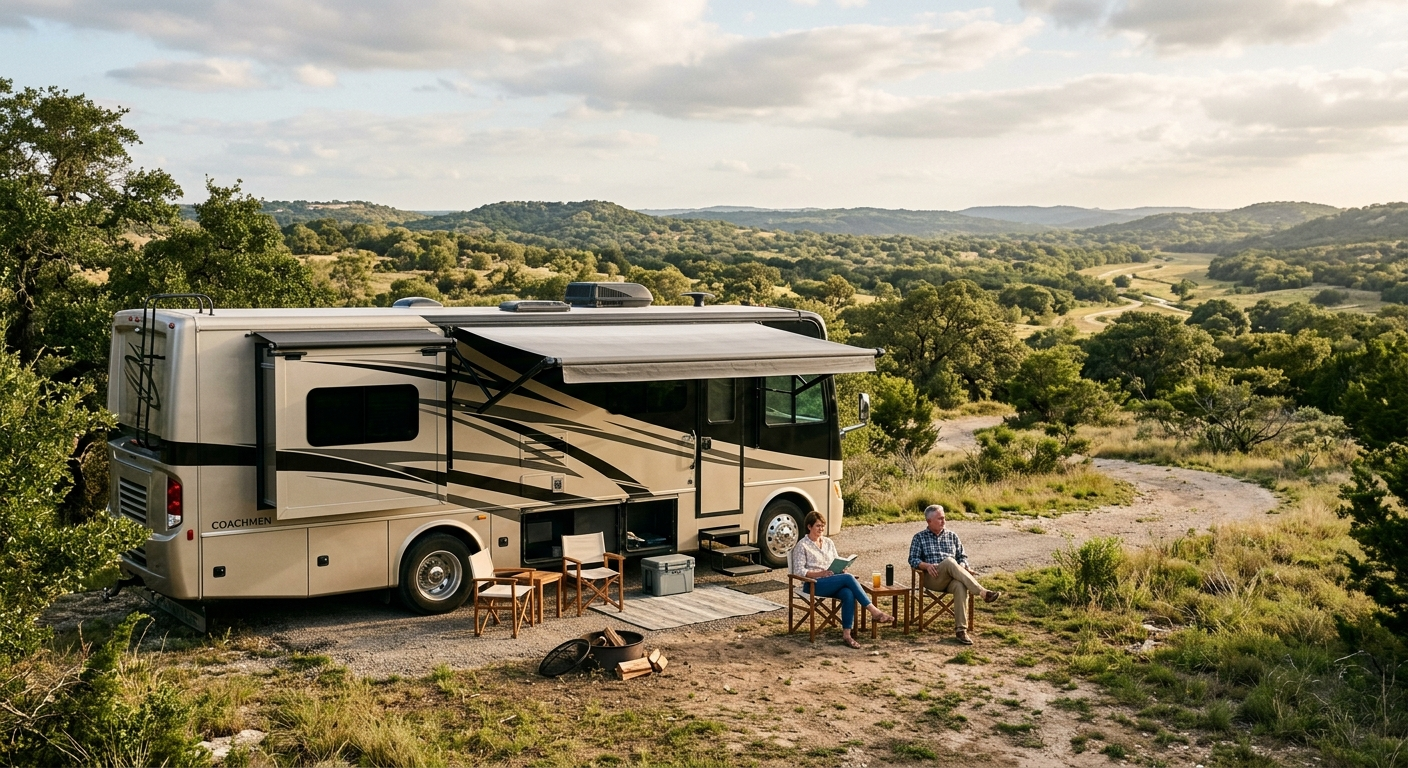
If you own an RV or other recreational vehicle in addition to your boat, coverage strategy for each vehicle type works similarly in some ways. The Texas RV insurance guide covers comparable questions around agreed value, storage, and use restrictions that apply to that category of vehicle.
What your homeowners policy probably does not cover
A common misconception among Texas boat owners is that their homeowners policy extends meaningful protection to their watercraft. Most standard homeowners policies in Texas provide only minimal boat coverage, often capped at $1,500 for watercraft and motors . That limit covers almost nothing on a modern bass boat or pontoon, and it typically excludes liability for watercraft above a certain horsepower threshold.
Reviewing exactly where your homeowners policy ends and where a dedicated boat policy needs to begin is one of the most practical conversations you can have with an independent agent. There is no overlap penalty for having both. The homeowners policy covers the structure and personal property at your home; the boat policy covers the vessel wherever it goes.
Get the right boat insurance coverage from Firstline Insurance Agency
At Firstline Insurance Agency , we are an independent agency serving boaters across the Fort Worth area, including communities around Lake Granbury, Eagle Mountain Lake, Benbrook Lake, and the Brazos River corridor. Because we work with multiple carriers rather than a single company, we can compare policy terms, deductibles, and agreed value options side by side to find coverage that fits your boat and your budget.
Whether you own a fishing boat, a pontoon, a ski boat, or a personal watercraft, we can walk you through the coverage options and help you avoid the gaps that leave too many Texas boaters exposed. You can learn more about our personal watercraft and boat coverage options on the boat insurance page, or reach out directly to start comparing quotes.
Call us at (817) 618-5480 or contact Firstline Insurance Agency online to get started. We make it straightforward to get the right coverage before you hit the water this season.
Get A Quote
At Firstline Insurance Agency, securing your future is easy. Ready to protect what matters? Contact us for a quick quote and personalized insurance options!
Kelly
Speak to Kelly 24/7
Microphone ready
Start your custom insurance quote
Instant answers to your insurance questions
Schedule appointments or follow-ups
Personal Insurance
From auto and homeowners to renters and umbrella policies, we help protect your family and property. Let’s find coverage that fits your life.
Commercial Insurance
We customize policies for your industry's risks, like general liability and workers' comp, ensuring you can run your business worry-free.
Contact Firstline Insurance Agency
Recent Posts