Vacant Property Insurance in Texas: What You Need to Know Guide
What vacant property insurance in Texas actually covers
Vacant property insurance in Texas is a specialized policy for homes or buildings that sit unoccupied for an extended period, typically 30 to 60 days or more. Most homeowners are surprised to learn that their standard policy stops covering them once a property goes vacant. If you own a home between tenants, an inherited house you haven't sold yet, a second property under renovation, or a building waiting on a buyer, you are in a coverage gap that can cost you everything if something goes wrong.
Texas creates specific challenges here. The state's weather alone, from hailstorms in the DFW corridor to winter freezes that burst pipes overnight, creates real and frequent risks for properties sitting empty. Vacant properties also attract vandalism, unauthorized entry, and fire at much higher rates than occupied ones, which is why insurers treat them differently.
A vacant property policy typically covers:
- Fire and smoke damage : one of the most common and costly claims on vacant structures, often caused by electrical faults or arson.
- Wind and hail : North Texas sees serious hail seasons, and a vacant property won't have anyone present to notice or report early damage.
- Vandalism and malicious mischief : not automatically included on all policies, but available as an endorsement and worth adding.
- Liability protection : if someone is injured on the property, you can still be held responsible even though you aren't living there.
- Theft of fixtures : copper piping, HVAC units, and appliances are common targets in vacant homes across Texas.
What these policies generally do not cover: normal wear and tear, mold that develops slowly from a leak you didn't know about, and damage that resulted from failure to maintain the property. That last point matters in Texas, where summer heat and winter freezes can each cause rapid deterioration if a building isn't being checked on.
When your standard homeowners policy stops protecting you
This is the part most property owners don't realize until it's too late. A standard homeowners insurance policy in Texas contains a vacancy clause, usually buried in the exclusions section. Once the property has been unoccupied beyond the policy's defined vacancy period (commonly 30 or 60 days), the insurer can deny claims that would otherwise be covered.
The reasoning from an insurer's perspective makes sense. An occupied home has people who notice a small leak before it becomes a flood, who see smoke before it becomes a total loss, who call the police when someone tries to break in. A vacant home has none of that. The risk profile changes completely.
Common situations where Texas property owners discover this gap:
- Estate properties : an inherited home sits empty for months while the family settles legal matters and clears out belongings.
- Homes listed for sale : sellers move out before closing, leaving the house empty for 60, 90, or even 180 days.
- Rental properties between tenants : even a 45-day vacancy between leases can void fire and theft coverage on a landlord policy.
- Properties under renovation : contractors come and go, but the building may not qualify as "occupied" in the insurer's eyes.
- Seasonal or secondary homes : a lake house near Granbury or Weatherford that sits empty most of the year needs separate consideration.
If you're not sure whether your current policy has a vacancy clause or where that threshold sits, call your agent before you assume you're covered. The answer matters more than most people think.
How Texas weather raises the stakes on empty properties
Texas is not a forgiving state for unattended structures. The DFW metroplex and surrounding communities like Fort Worth, Mansfield, Burleson, and Weatherford sit in a region that sees some of the most active severe weather in the country. Here is how that plays out for vacant properties specifically.
Hail and wind events
North Texas averages multiple significant hail events per year. A golf ball-sized hailstone can punch through a roof and leave an opening that lets in every subsequent rainstorm. In an occupied home, the owner notices water staining the ceiling within days. In a vacant home, that same opening can lead to months of water intrusion, mold growth, and structural damage before anyone sets foot inside. Hail damage claims on vacant properties frequently run 30 to 50 percent higher than on comparable occupied homes because the damage compounds undetected.
Winter freezes
The 2021 winter storm Uri was a hard lesson for Texas property owners. Pipes burst across the state, and vacant properties were among the hardest hit because no one was there to shut off water, run faucets, or catch early signs of freezing. If a pipe bursts in an empty house and isn't discovered for two weeks, you're looking at tens of thousands of dollars in water damage. A vacant property policy can cover that, but only if the right one is in place before the freeze hits.
Lightning and fire
Texas ranks among the top states for lightning strikes per year. A lightning strike on an unoccupied structure can ignite a fire that burns unchecked for hours. Smoke alarms may eventually prompt a neighbor's concern, but fire departments have documented total losses on vacant properties that would have been partial losses in occupied ones.
Vacant vs. unoccupied: a distinction that changes your coverage
Insurance carriers draw a hard line between "unoccupied" and "vacant," and the difference directly affects your policy options and premiums.
Unoccupied means the home still has furniture, personal belongings, and utilities connected. You're temporarily away, whether for a long trip, a medical stay, or a seasonal absence. Most policies provide a grace period for unoccupied homes.
Vacant means the property is empty, stripped of personal property, and typically has utilities reduced or shut off. This is the classification that triggers the vacancy exclusion and requires a specialized policy.
A few practical examples of how this plays out in Texas:
- A home in Arlington where the owner has moved out but left most furniture: likely unoccupied, may still be covered under the standard policy for 30 to 60 days.
- A rental property in Keller where the last tenants moved out and took everything: vacant, standard landlord policy exclusions likely apply immediately.
- An inherited home in Granbury that the family is cleaning out over several months: depends on the pace and contents, but usually moves from unoccupied to vacant faster than families expect.
Documenting the status of your property and communicating it clearly to your insurance agent is one of the most important steps you can take. A wrong assumption can result in a claim denial when you need coverage most.
What to look for when comparing vacant property policies
Not all vacant property policies are equal, and comparing them across carriers requires knowing what to ask. As an independent agency, Firstline Insurance reviews policies from multiple carriers rather than being limited to one company's options. The factors that matter most are below.
Coverage period and renewal options
Vacant property policies are often written on a 3, 6, or 12-month term. If you're not sure how long your property will sit empty, a shorter initial term with renewal flexibility is worth the slight premium increase. Some carriers offer month-to-month options for properties actively on the market.
Named perils vs. open perils
A named-perils policy only covers damage explicitly listed in the policy. An open-perils (or all-risk) policy covers everything except what's excluded. For a vacant property in Texas, open-perils coverage is generally the better choice given the range of weather risks, though the premium will be higher.
Liability limits
Even an empty property creates liability exposure. If a trespasser falls and is injured, you can be sued. Texas law does provide some protections for property owners when trespassers are involved, but those protections aren't absolute, especially with children. A minimum of $100,000 in liability coverage is a reasonable floor; many agents recommend $300,000 or more for vacant structures in populated areas.
Replacement cost vs. actual cash value
Replacement cost coverage pays what it costs to rebuild or repair at today's prices. Actual cash value deducts depreciation, meaning an older roof that gets destroyed might only pay out a fraction of what a new one costs. For vacant properties, carriers sometimes default to actual cash value, so confirm which basis your policy uses before you sign.
Vandalism and theft endorsements
Standard vacant property policies often exclude vandalism and theft of building components. In Texas cities and suburbs, copper theft from vacant properties is a real problem. If your property is in an area with active development or transitional neighborhoods, adding this endorsement is worth the cost.
Steps to protect your vacant property while it sits empty
Insurance is the financial safety net, but sound property management while your Texas property sits empty reduces the chance you'll need to file a claim. Insurance adjusters and carriers look at how well a vacant property was maintained when evaluating claims.
- Regular inspections : visit or hire someone to check the property at least every two weeks. Some carriers require documented inspections as a condition of coverage.
- Maintain utilities thoughtfully : keep water on at a low level in winter to prevent freezing, but consider shutting off the main supply valve if the property will be empty through a freeze warning.
- Secure all entry points : door locks, window latches, and exterior lighting deter unauthorized entry. Board or plywood covers on broken windows should be replaced with proper glazing.
- Keep the lawn maintained : overgrown grass signals vacancy to opportunistic thieves and vandals. Many Texas municipalities will also issue code violations that create additional liability.
- Install a basic monitored alarm system : even an inexpensive cellular alarm can alert you or a monitoring service to entry, smoke, or flooding. Some carriers offer premium discounts for monitored systems on vacant properties.
- Notify your insurer : the moment a property becomes vacant, contact your agent. Get the right policy in place proactively rather than waiting for a coverage gap to appear.
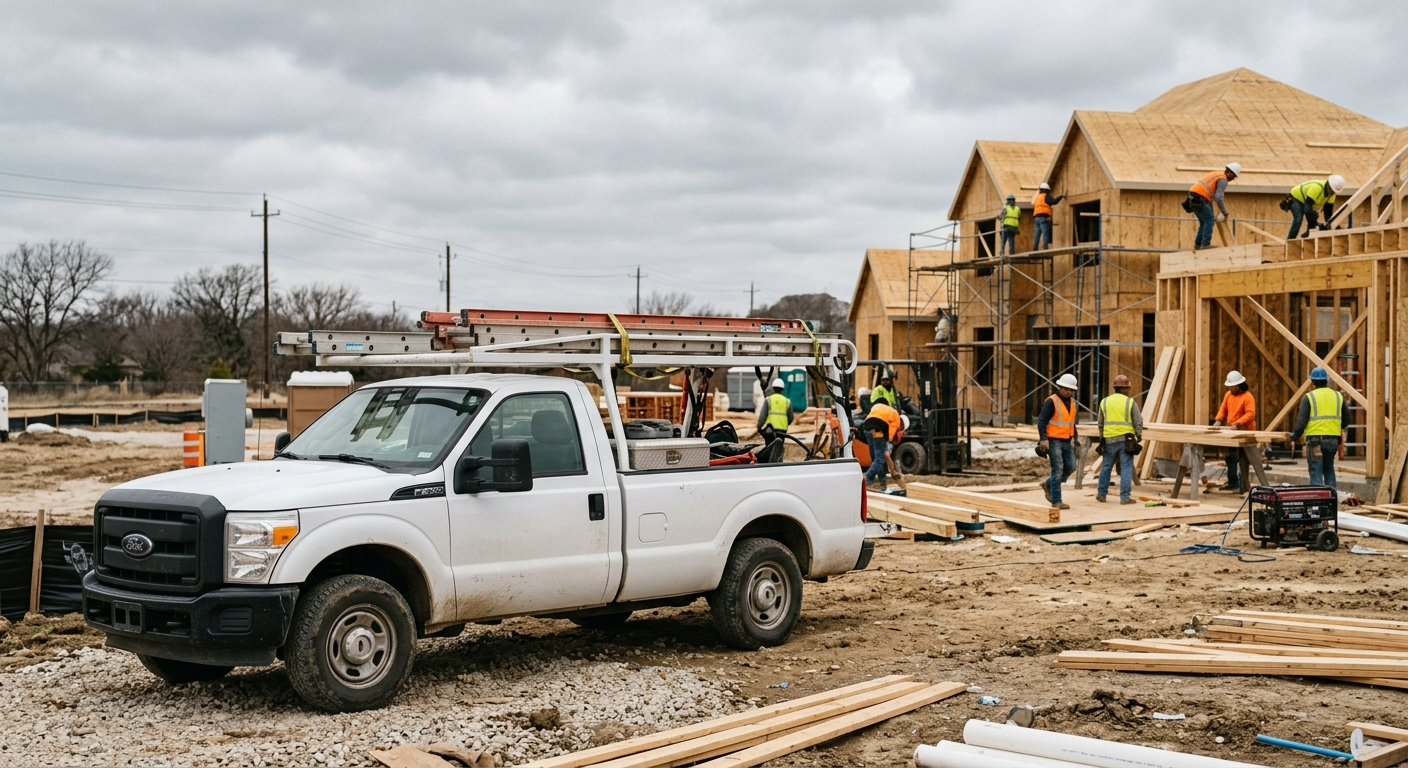
For properties undergoing renovation, make sure your contractor carries their own liability and workers' compensation coverage. A gap in their coverage can become your problem if a worker is injured on the vacant property. You can learn more about contractor insurance requirements on our North Texas contractor insurance guide.
How much does vacant property insurance cost in Texas?
Rates vary based on the property's location, construction type, size, coverage limits, and how long it will be vacant. As a general benchmark, vacant property insurance in Texas typically runs between 1.5 and 3 times the premium of a standard homeowners policy on the same structure. A home that would cost $1,200 per year to insure as a primary residence might cost $1,800 to $3,600 to insure as a vacant property.
Factors that push rates higher in Texas include:
- Location in a high-hail-frequency zone (which includes most of the DFW area).
- Older construction with wood-frame and pier-and-beam foundations.
- Prior claims history on the property.
- Properties with existing damage that hasn't been repaired.
- Longer anticipated vacancy periods.
Factors that can reduce your premium include working with an independent agent who shops multiple carriers, installing security systems, demonstrating regular inspection documentation, and bundling with other policies you carry (auto, other properties, or a personal umbrella).
If you're also looking at ways to reduce costs on related coverage, our post on saving money on Texas home insurance has practical tips that apply to property owners broadly.
Get the right coverage before your property sits empty
A vacant property carries real risk. Texas weather, opportunistic theft, and liability exposure don't pause because the lights are off. The gap between your standard policy's vacancy exclusion and the moment you get the right coverage in place is exactly when the most costly claims tend to happen.
Firstline Insurance Agency is an independent agency serving Fort Worth, Keller, Mansfield, Burleson, Granbury, Weatherford, and communities throughout North Texas. Because we work with multiple carriers rather than representing just one, we compare options on your behalf to find coverage that fits your property type, your timeline, and your budget.
If you have a property sitting empty right now, or one you expect to vacate soon, don't wait to find out your standard policy won't respond when you need it. Visit our vacant property insurance page or contact Firstline Insurance Agency to get a quote. You can also reach us directly at (817) 618-5480 . Getting the right policy in place before something happens is always less expensive than finding out after the fact that you weren't covered.
Get A Quote
At Firstline Insurance Agency, securing your future is easy. Ready to protect what matters? Contact us for a quick quote and personalized insurance options!
Kelly
Speak to Kelly 24/7
Microphone ready
Start your custom insurance quote
Instant answers to your insurance questions
Schedule appointments or follow-ups
Personal Insurance
From auto and homeowners to renters and umbrella policies, we help protect your family and property. Let’s find coverage that fits your life.
Commercial Insurance
We customize policies for your industry's risks, like general liability and workers' comp, ensuring you can run your business worry-free.
Contact Firstline Insurance Agency
Recent Posts